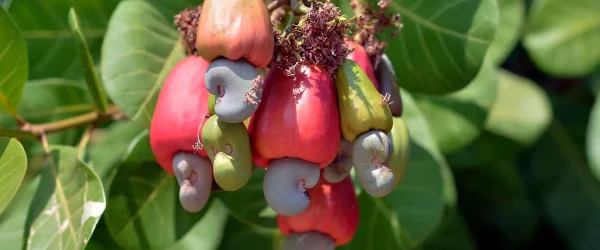
Cashew nut cultivation plays an increasingly central role in the Ivorian economy. As the world’s leading exporter of raw cashew nuts, the country produces over a million tonnes a year, providing income for almost 500,000 farming households, or some 2.5 million people. At the same time, the Ivorian authorities have declared their ambition to process 50% of almonds locally by 2030, in order to capture more added value.
However, this growth dynamic is not without its difficulties. The rapid expansion of plantations has contributed to worrying deforestation and loss of biodiversity, leading to soil impoverishment and fragile ecosystems. Added to these environmental challenges are price volatility, which accentuates the vulnerability of producers dependent on a single crop, and the challenges of working conditions in processing plants.
To address all these issues, INADES-Formation Côte d’Ivoire and Ethical Trade Norway have joined forces, with financial support from Norad, around the Cashew Nut Sustainability Project. The initiative aims to strengthen the entire supply chain, from producers and their organizations to processing units and European buyers, with the ambition of promoting a more responsible, inclusive and sustainable industry.
The project is being implemented in the Marahoué, Gontougo and Bounkani regions, as well as nationally through FENAPACI. The direct beneficiaries are producer-members of the COPABO, COCOPRAGEL and COPRODIGO cooperatives.
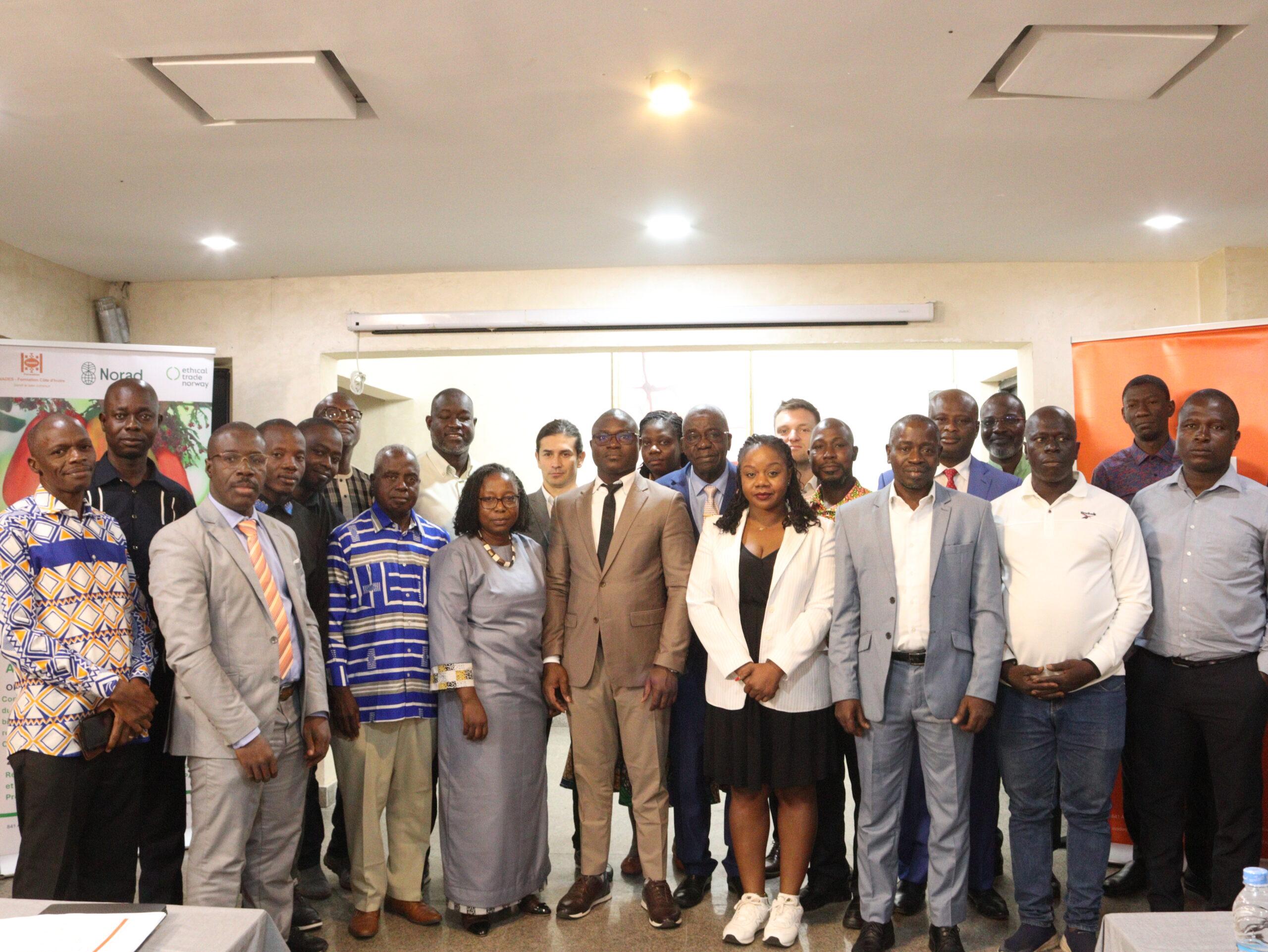
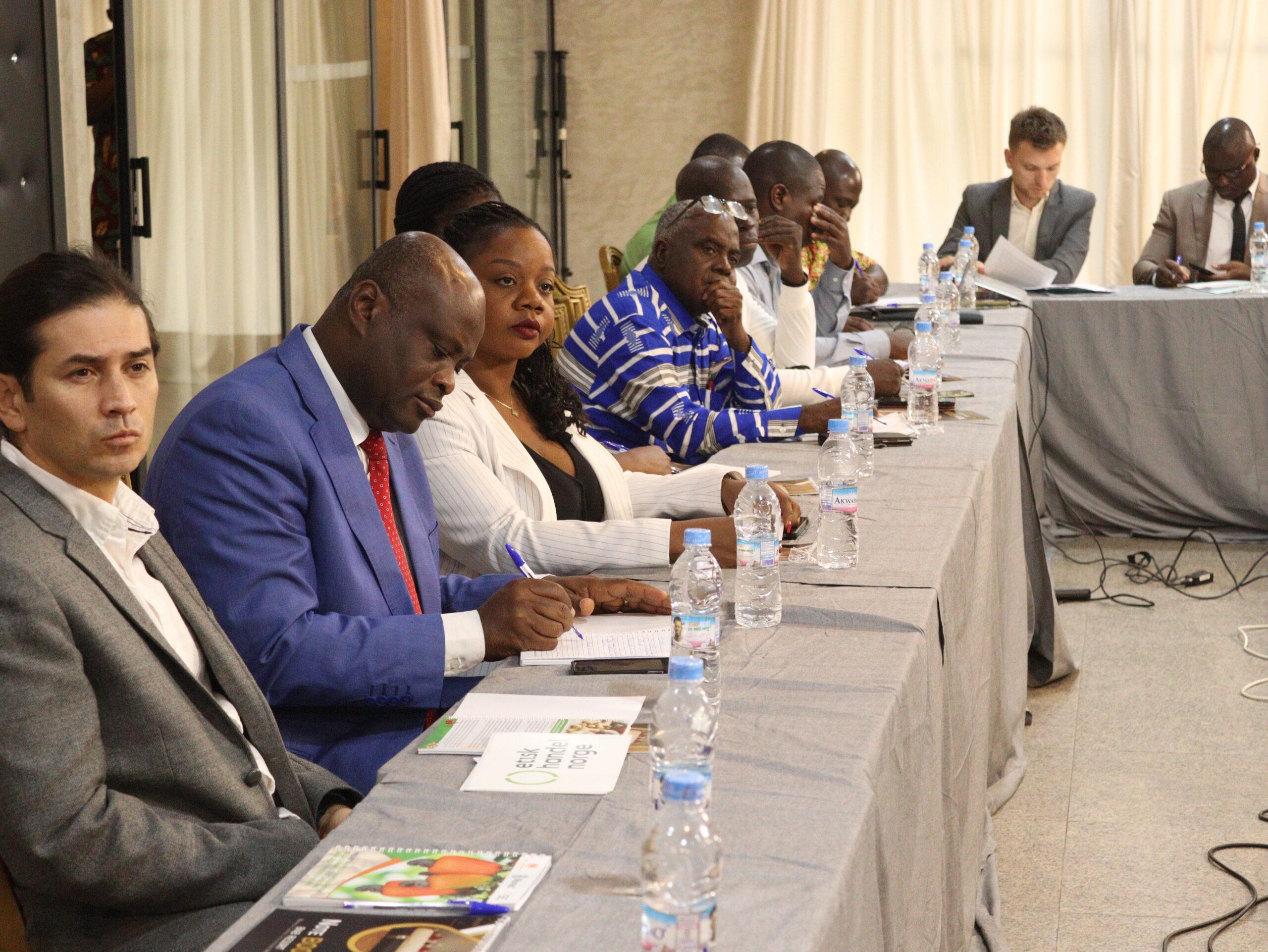
Presented at a launch workshop on December 10, this second phase is a continuation of the actions carried out between 2021 and 2024. It opens up new perspectives, notably through the valorization of cashew by-products, seen as a major lever for strengthening the economic resilience of producers.
At the ceremony, Simen Hoy Dypvik, Senior Adviser at Ethical Trade Norway, stressed the importance of a collaborative approach involving all players in the value chain. “Putting all players around the same table enables a better understanding of the challenges on the ground, while mobilizing European buyers around the demands of transparency and responsible trade”, he stressed. In his view, this dialogue is essential to reconcile the demands of international markets with local agricultural realities.
Looking back on the results of the first phase of the project, to be implemented between 2021 and 2024, Bamba Mamadou, Program Manager at INADES-Formation Côte d’Ivoire, presented what he considered to be encouraging achievements. This phase has enabled 1,000 producers to adopt agro-ecological practices on almost 3,000 hectares, with a significant reduction in the use of chemical pesticides. It also favored the grouped sale of 67% of the production of the three partner cooperatives, strengthening the negotiating power of producers. In addition, an innovative stock-building mechanism has been put in place, facilitating the operation of processing units in periods of low cash flow, as well as the creation of farmer field schools and internal mechanisms for disseminating good farming practices.
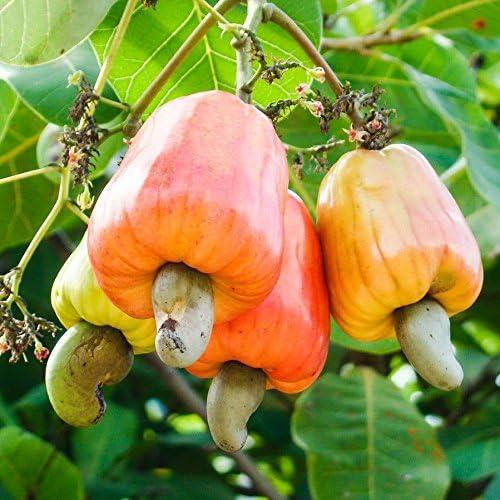
The second phase of the project aims to consolidate these achievements while tackling new structuring challenges. One of the main thrusts is to develop the cashew apple, which is still largely underexploited. Processing the fruit into juices, jams, syrups and other food products aims to diversify producers’ sources of income and reduce their exposure to climatic hazards and market fluctuations.
Another important aspect is the promotion of organic inputs. Each beneficiary cooperative will be equipped with an organic fertilizer production unit, with the aim of reducing dependence on chemical inputs, improving soil fertility and reinforcing the adoption of sustainable agroecological practices.
The project also focuses on strengthening producer organizations and advocacy. The aim is to improve the governance of the sector by strengthening the ability of cooperatives to defend their interests, participate actively in decision-making bodies and better understand the requirements of international markets, particularly in Europe, in terms of transparency and traceability.

Representing the Ministry of Agriculture, Richard Delo, from the Direction des Cultures Pérennes et d’Exportation, hailed the initiative as an important lever for boosting the cashew nut sector in Côte d’Ivoire. He emphasized its potential for boosting local added value and stimulating agri-food innovation.
Through this project, INADES-Formation Côte d’Ivoire, a national player at the service of the common good, and Ethical Trade Norway reaffirm their ambition to contribute to building a more sustainable, inclusive and resilient cashew nut industry. Beyond its role as an export product, cashew nuts are destined to become a real driver of local development, reconciling environmental protection, improved farm incomes and respect for social and environmental standards.