Across Rwanda, rural women farmers are redefining agriculture through innovation and leadership. Under the Joint Programme on Rural Women’s Economic Empowerment (JP RWEE) a partnership among UN Women, FAO, IFAD, and WFP, implemented by INADES-Formation Rwanda in close collaboration with the Government of Rwanda women-led cooperatives are adopting climate-smart greenhouse farming to increase productivity, enhance resilience, and secure year-round food supplies.
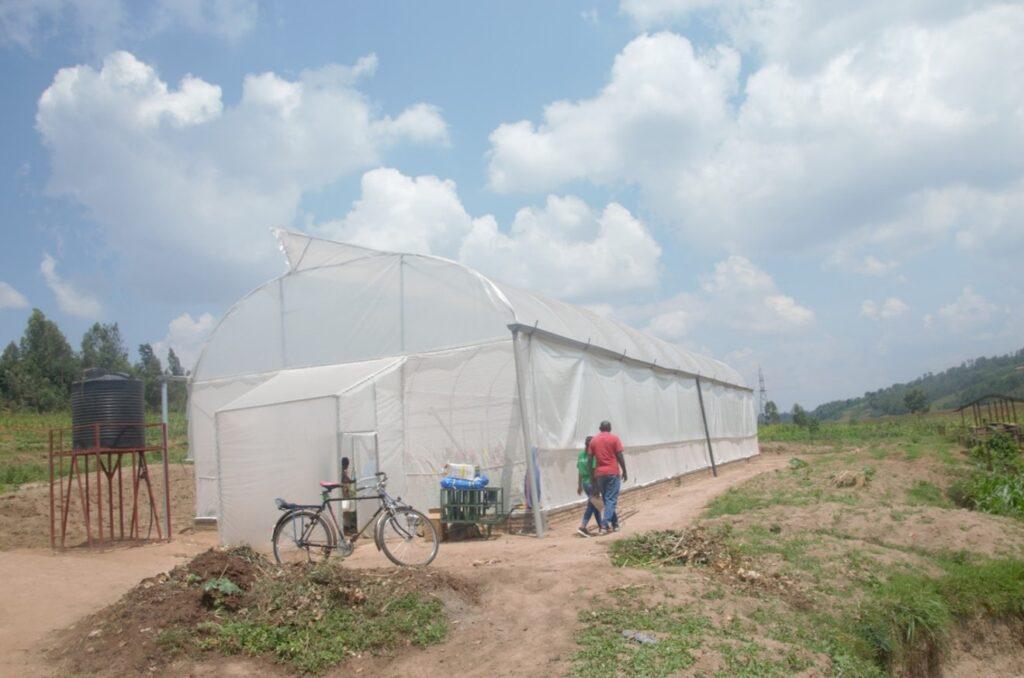
Operating in Gisagara, Nyaruguru, Nyamasheke, Kirehe, and Ngoma districts, JP RWEE equips women farmers with modern agricultural technologies, intensive capacity building, and catalytic inputs that bolster both livelihoods and climate adaptation. Among these interventions, greenhouse farming has emerged as one of the most transformative.
A Climate-Smart solution to unpredictable weather
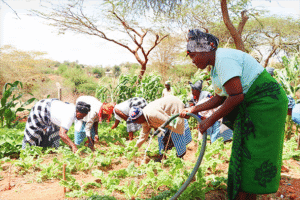
For decades, rural women depended largely on open-field agriculture highly vulnerable to erratic rainfall, prolonged dry spells, soil degradation, and pest outbreaks, all intensified by climate change. As climate shocks increased, seasonal crop failures and fluctuating incomes became common.
Greenhouse farming is shifting this reality. Before adopting the technology, women in some cooperatives earned very little from open-field cultivation.
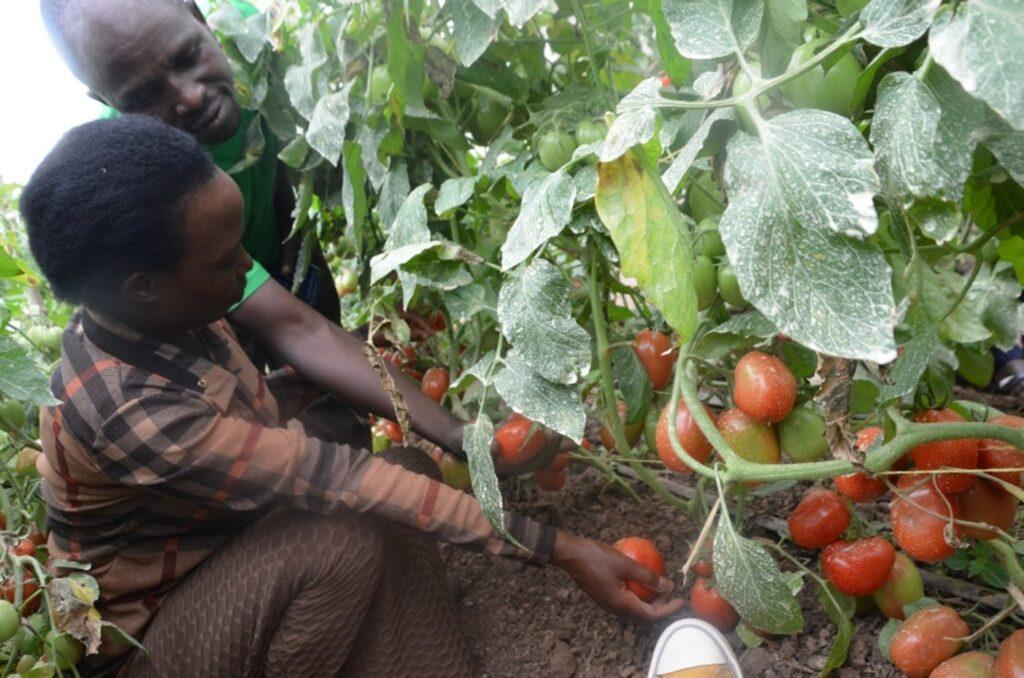
“At the beginning, we grew tomatoes on open fields and earned only about 20,000 RWF from six acres,” recalls Josiane Uwimana, one cooperative member. “But with our first greenhouse harvest, we earned 500,000 RWF from a much smaller space.” This dramatic increase in revenue captures the potential of greenhouse farming to transform rural women’s economic trajectories.
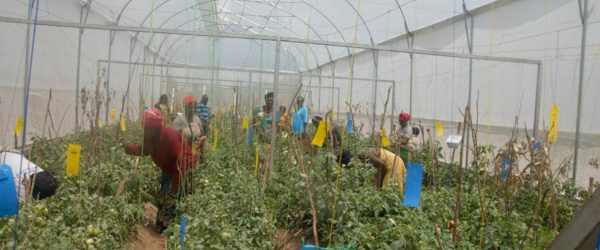
With protected environments, controlled irrigation, and reduced pest pressure, greenhouses enable the production of high-value crops such as tomatoes, peppers, cucumbers, and leafy vegetables throughout the year, regardless of external climate conditions.
Women now dream of expanding the model: “If we could get more greenhouses, we wouldn’t have to wait for a whole season. We would harvest from one and immediately start in the next.” said Josiane Uwimana.
Empowering women through skills, leadership, and innovation
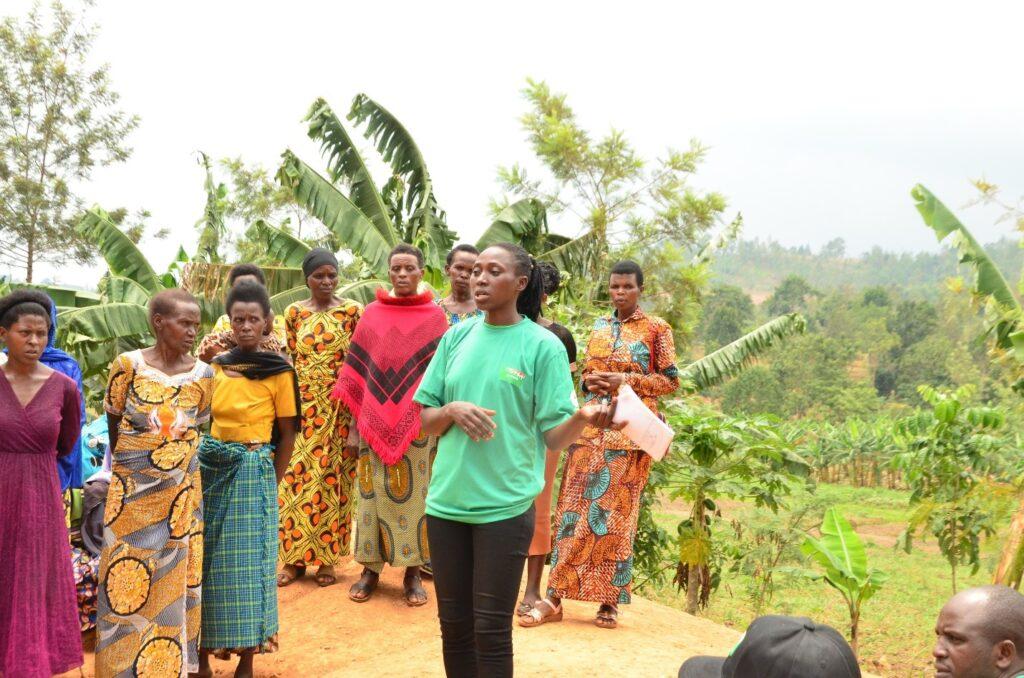
JP RWEE goes beyond providing technology, it strengthens women’s agency, leadership, and technical mastery. Through INADES-Formation Rwanda, cooperatives receive practical training in greenhouse setup, maintenance, and environmental control, efficient irrigation and water use (key for drought-prone regions), integrated pest management, soil fertility monitoring and crop rotation, and business planning and collective marketing.
These trainings are strategically designed to build women’s confidence to manage advanced technologies, negotiate market prices, and lead production decisions traditionally dominated by men.
Some cooperatives are now practicing crop rotation within greenhouses; moving from tomatoes and green peppers to cucumbers in subsequent seasons. This innovation sustains soil health, reduces pests, and ensures continuous production.
One field technician explains: “We train women to understand every step from soil preparation to market access. This strengthens their leadership in agribusiness and helps them make informed decisions” explains Jean Marie Vianney DUSENGIMANA Ndabashimiye, INADES-Formation Rwanda Field officer based in Kirehe district.
Gender dynamics are visibly shifting as women increasingly take on roles as lead farmers, trainers, income managers, and technology champions in their communities.
Improved nutrition and household resilience
The benefits of greenhouse farming extend far beyond increased income, bringing meaningful improvements to household wellbeing and community resilience. Many families report greater dietary diversity, made possible by the consistent availability of fresh vegetables throughout the year. Women also note that this steady supply has contributed to better child nutrition, as they are able to prioritize household consumption before selling surplus produce. The shift to greenhouse farming has introduced a more regular income flow, helping cooperatives build savings and reducing households’ vulnerability to financial shocks. By eliminating dependence on unpredictable rainfall, greenhouses have enabled farmers to plan their agricultural activities with greater confidence, creating more predictable and efficient farming calendars. Women farmers consistently emphasize that this technology has “freed them from climate uncertainty,” enhanced their families’ wellbeing, and strengthened their role in decision-making, both within their households and in cooperative leadership structures.
Scaling Impact: Opportunities and sustainability challenges
While greenhouse farming has demonstrated strong potential to transform rural women’s livelihoods under JP RWEE, scaling the model sustainably requires addressing several emerging challenges. One of the most significant barriers remains the high initial investment costs, with a standard greenhouse ranging between 1.5 and 2.5 million RWF, far beyond the financial capacity of most women’s cooperatives without external grants or cost-sharing mechanisms. Even after installation, access to reliable water sources poses difficulties in some districts. Although greenhouses use 40-60% less water than open-field farming, they still require consistent irrigation to maintain productivity.
Beyond financial and environmental constraints, technical maintenance skills are another critical area. Greenhouse systems rely on regular upkeep, monitoring drip irrigation lines, ensuring proper ventilation, managing soil fertility, and identifying early signs of pest outbreaks. These tasks demand specialized knowledge that must be continuously strengthened through ongoing coaching and extension support. On the market side, women producers often face price volatility and limited market access, especially for high-value crops like tomatoes that flood the market during peak seasons. Stronger collective marketing strategies, market information systems, and value-addition opportunities are needed to stabilize incomes.
At the social level, gender norms still shape women’s ability to fully benefit from the greenhouse model. Despite notable progress, some women continue to encounter barriers in accessing land, finance, decision-making roles, or control over the income generated through greenhouse production. Sustained gender-transformative approaches, engaging men, promoting shared household decision-making, and strengthening women’s leadership, remain essential to ensure that women retain control over productive resources and realize the full empowerment potential of the intervention.
A path toward a food-secure, climate-resilient future led by women
Evidence from JP RWEE demonstrates that when women access climate-smart technologies, training, and organizational support, agricultural productivity and climate resilience increase significantly and communities prosper.
Greenhouse farming is more than a production method: It is a gender-responsive climate adaptation strategy that empowers women as leaders in the transition to sustainable and resilient agriculture.
With continued investment, technical support, and strategic expansion, women farmers across Rwanda can drive a more food-secure, climate-resilient, and equitable future for their families and communities.
Elissa CYUZUZO – Communication INADES-Formation Rwanda